What I See vs What I Keep

It is not unusual for me to return to my tent after a safari game drive with hundreds of images taken during just that one drive. Multiply that by two game drives each day and at least a couple of weeks of safari, sometimes four weeks, and you get an idea of the editing I have when I return home!
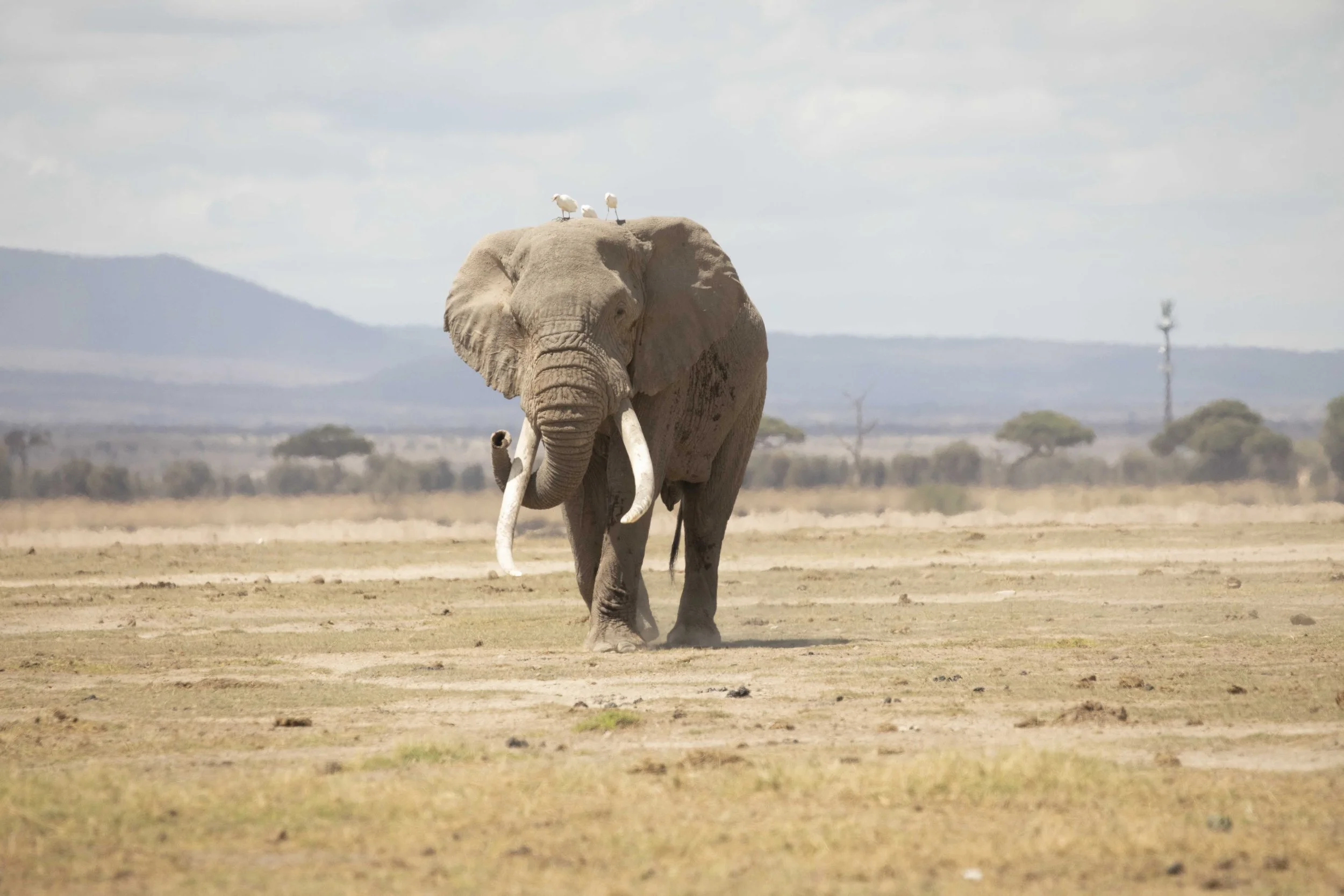
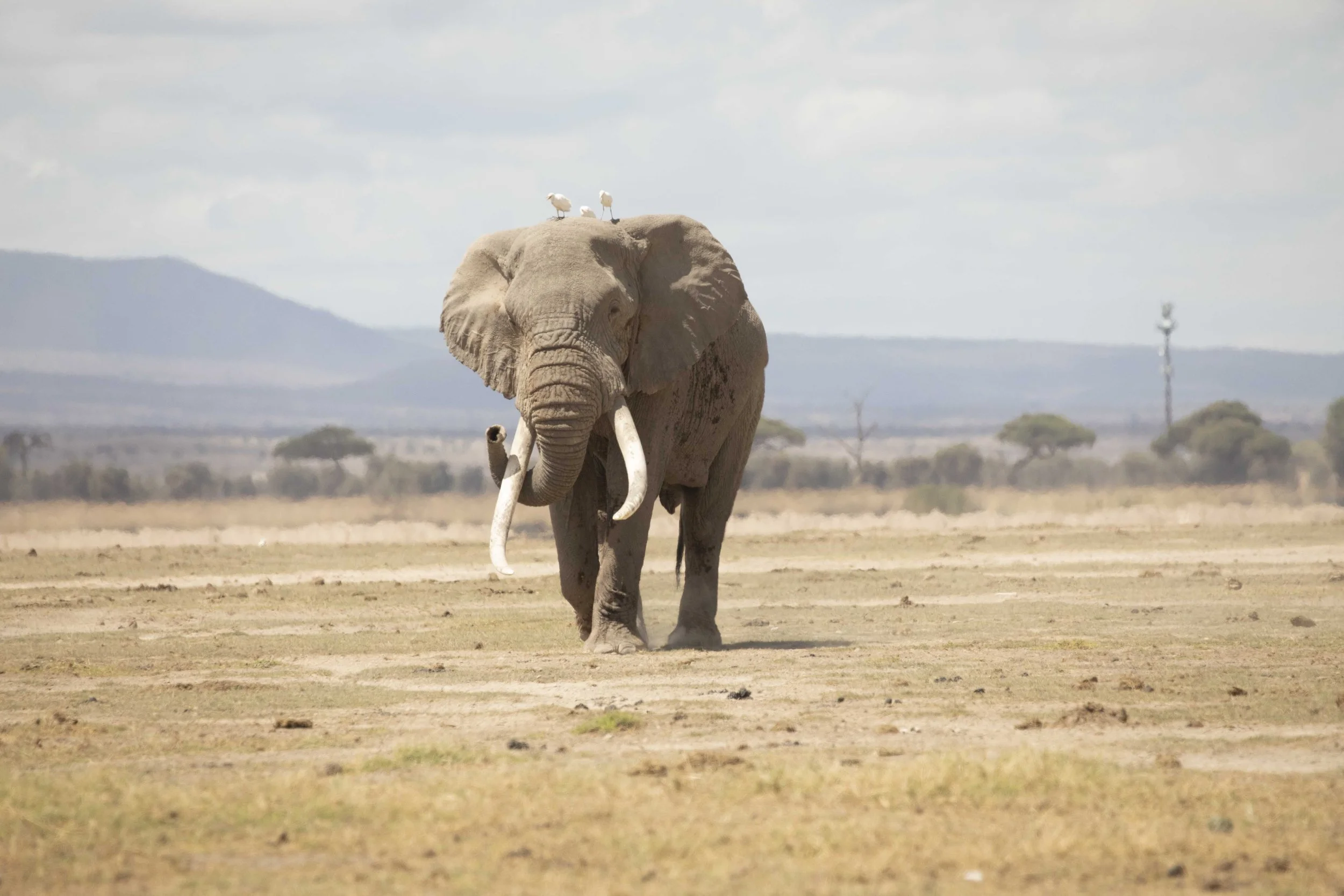
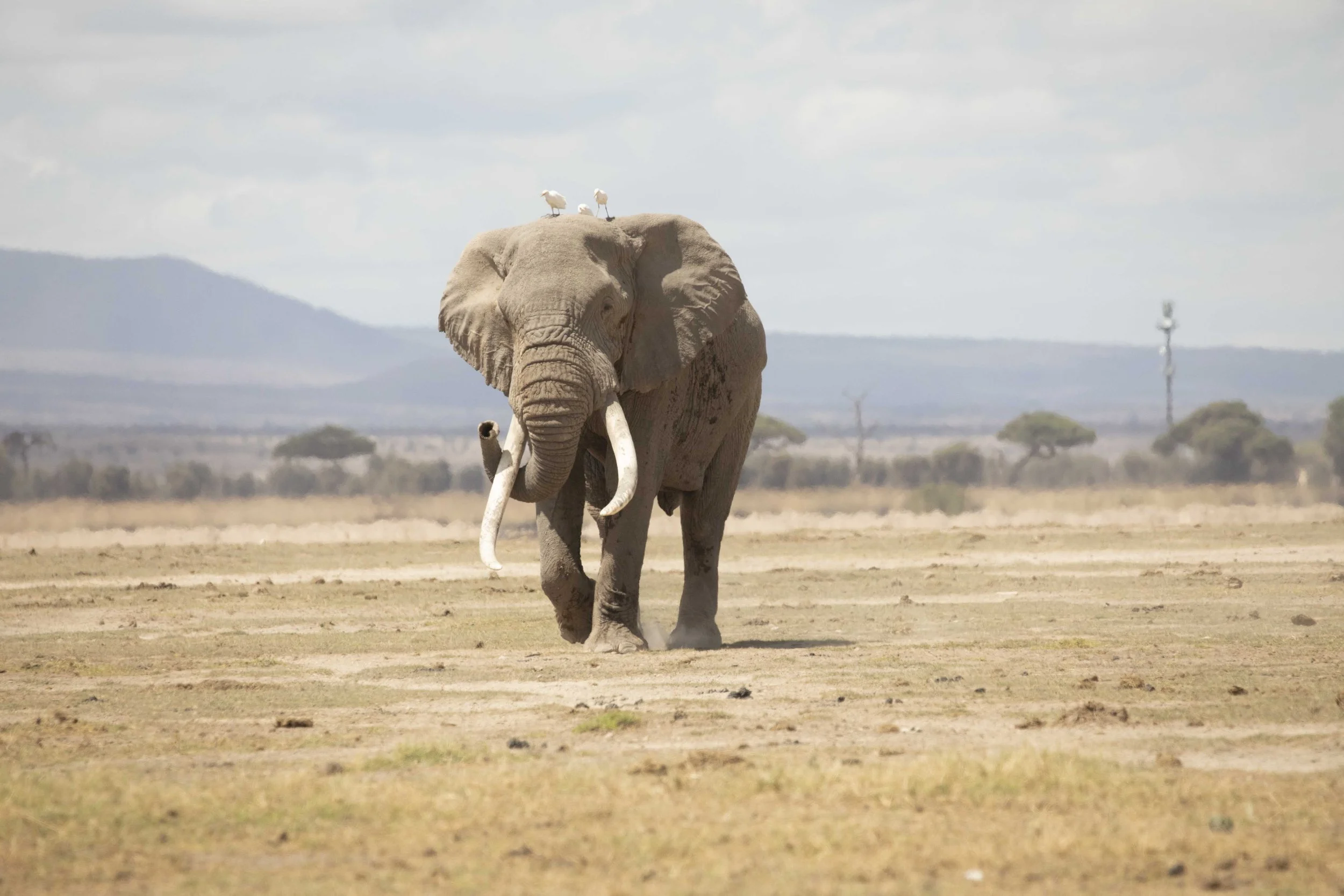
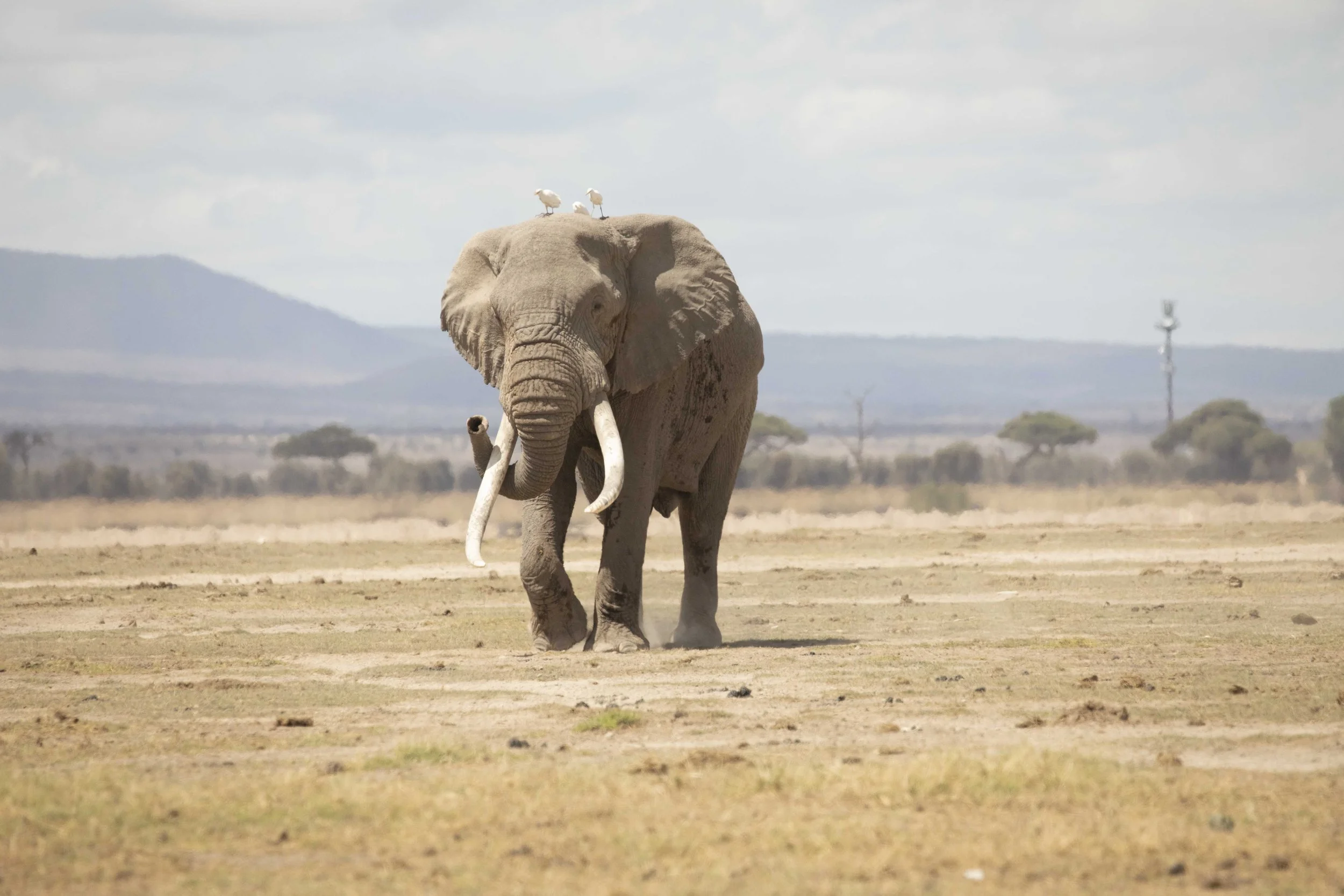
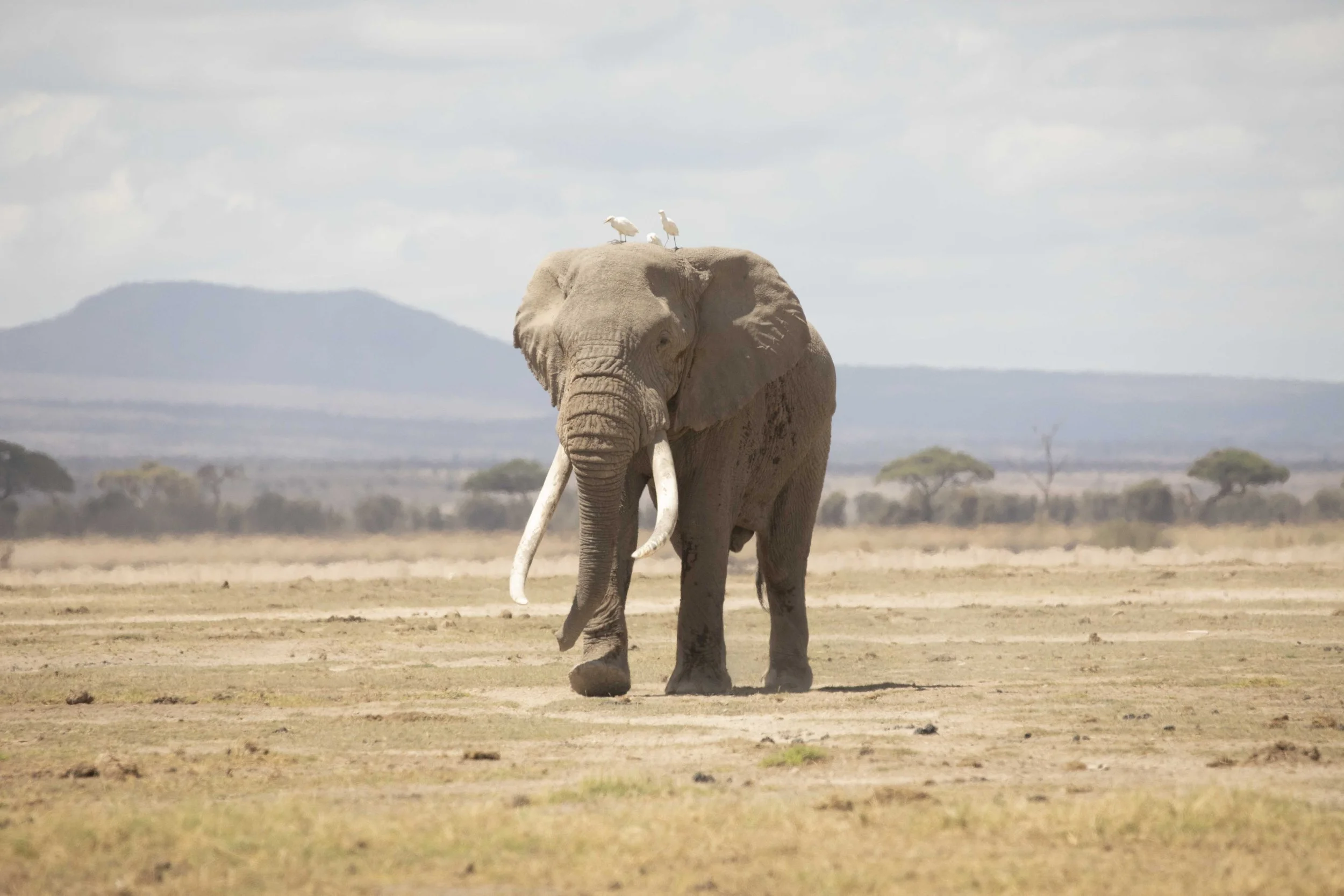
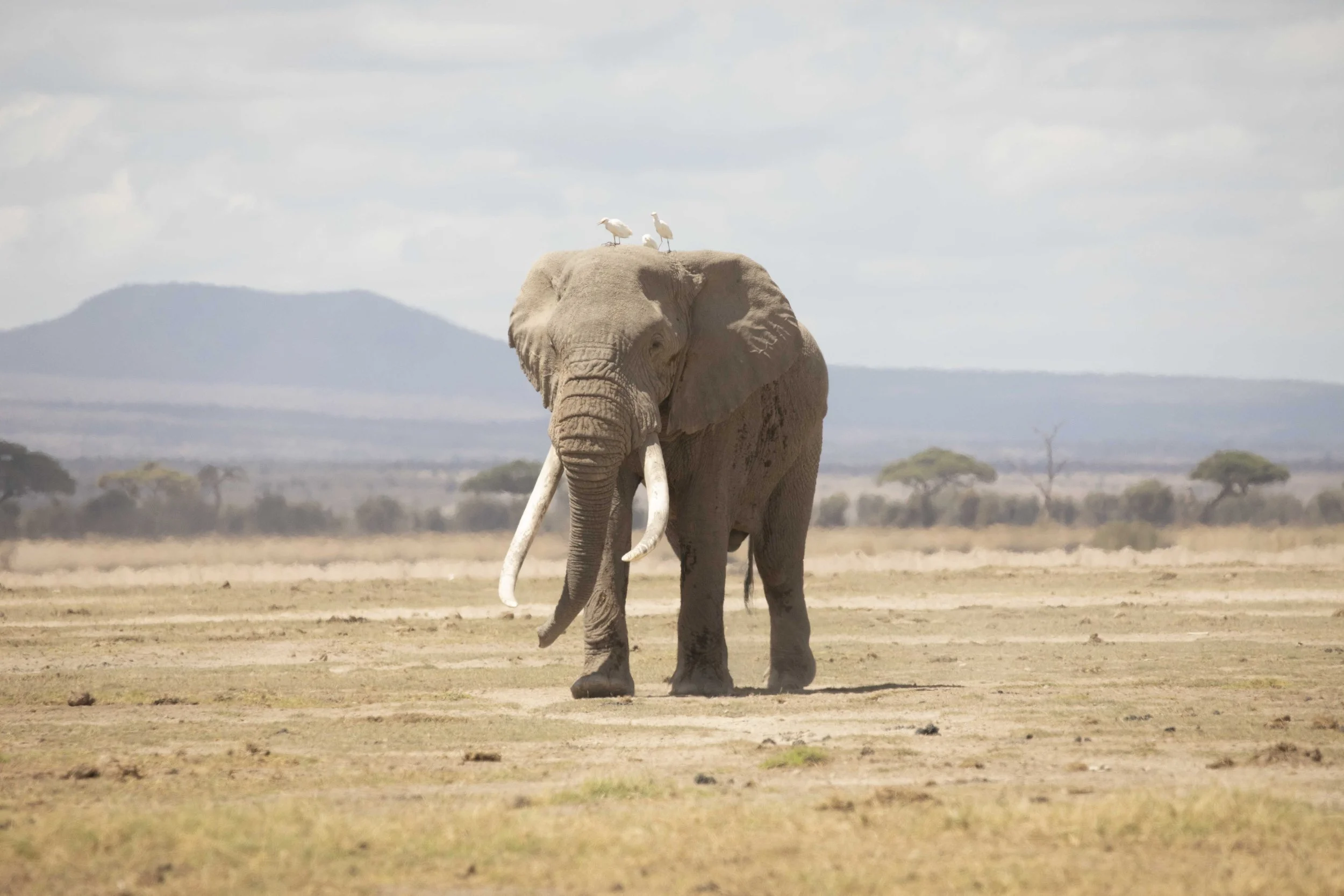
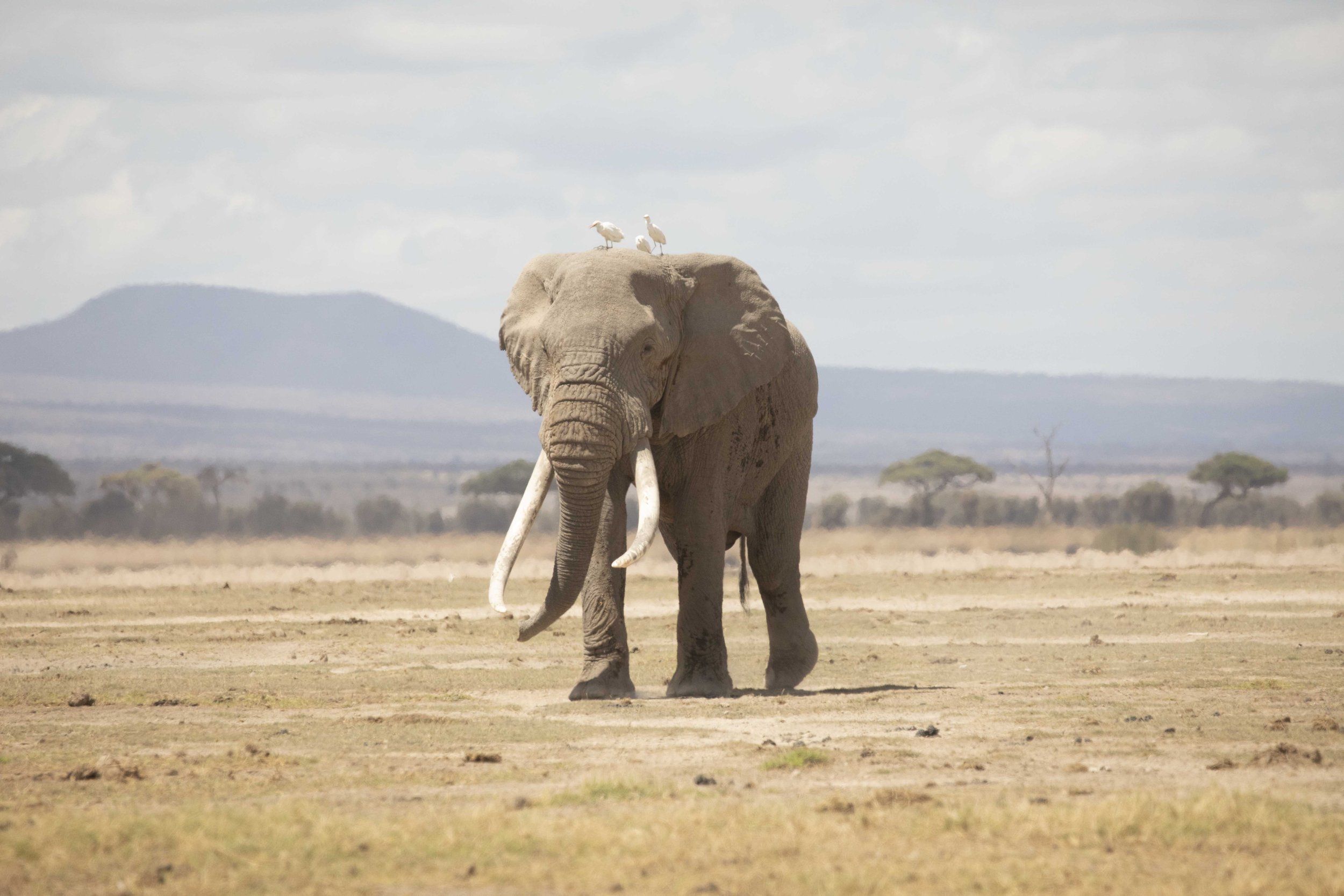
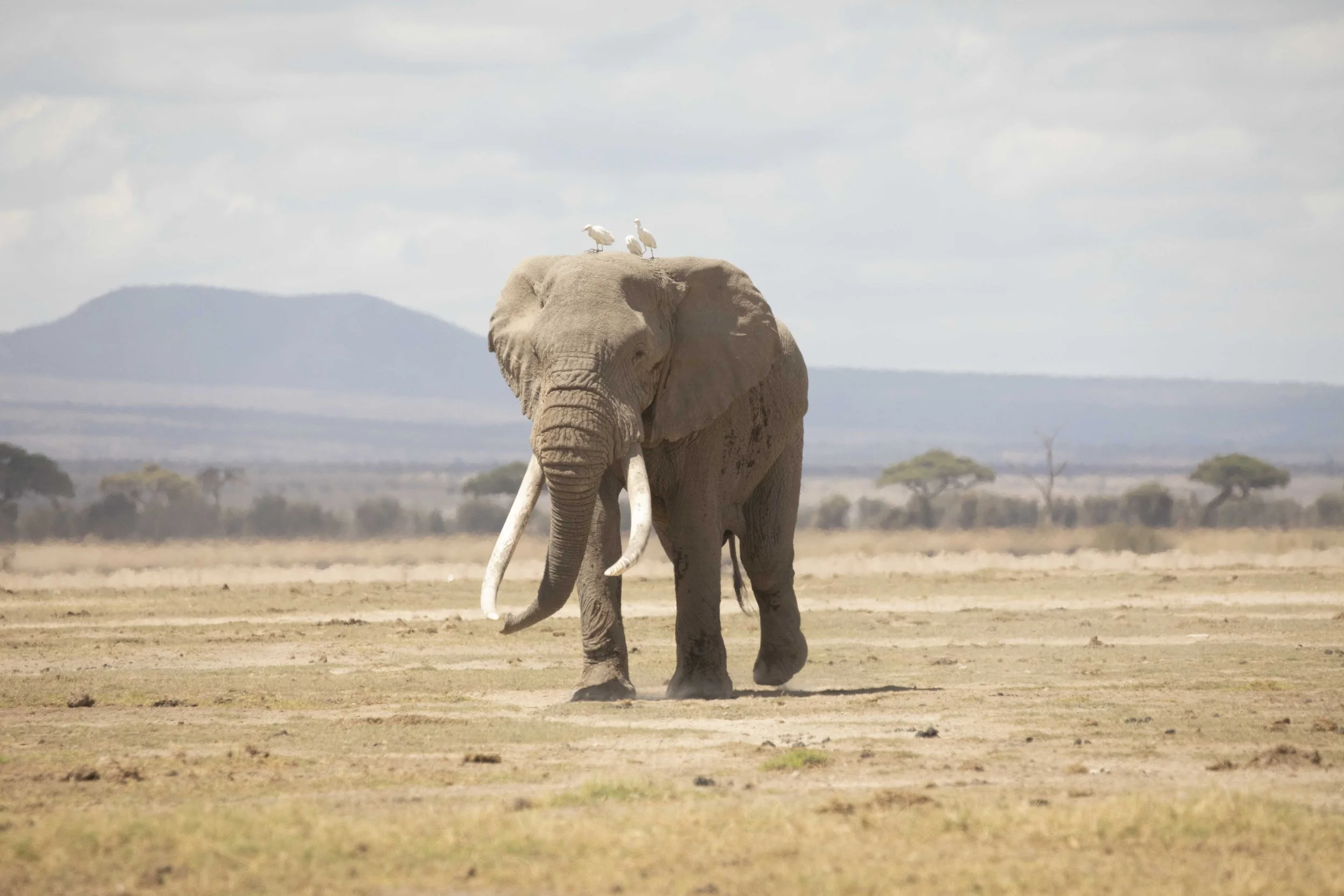
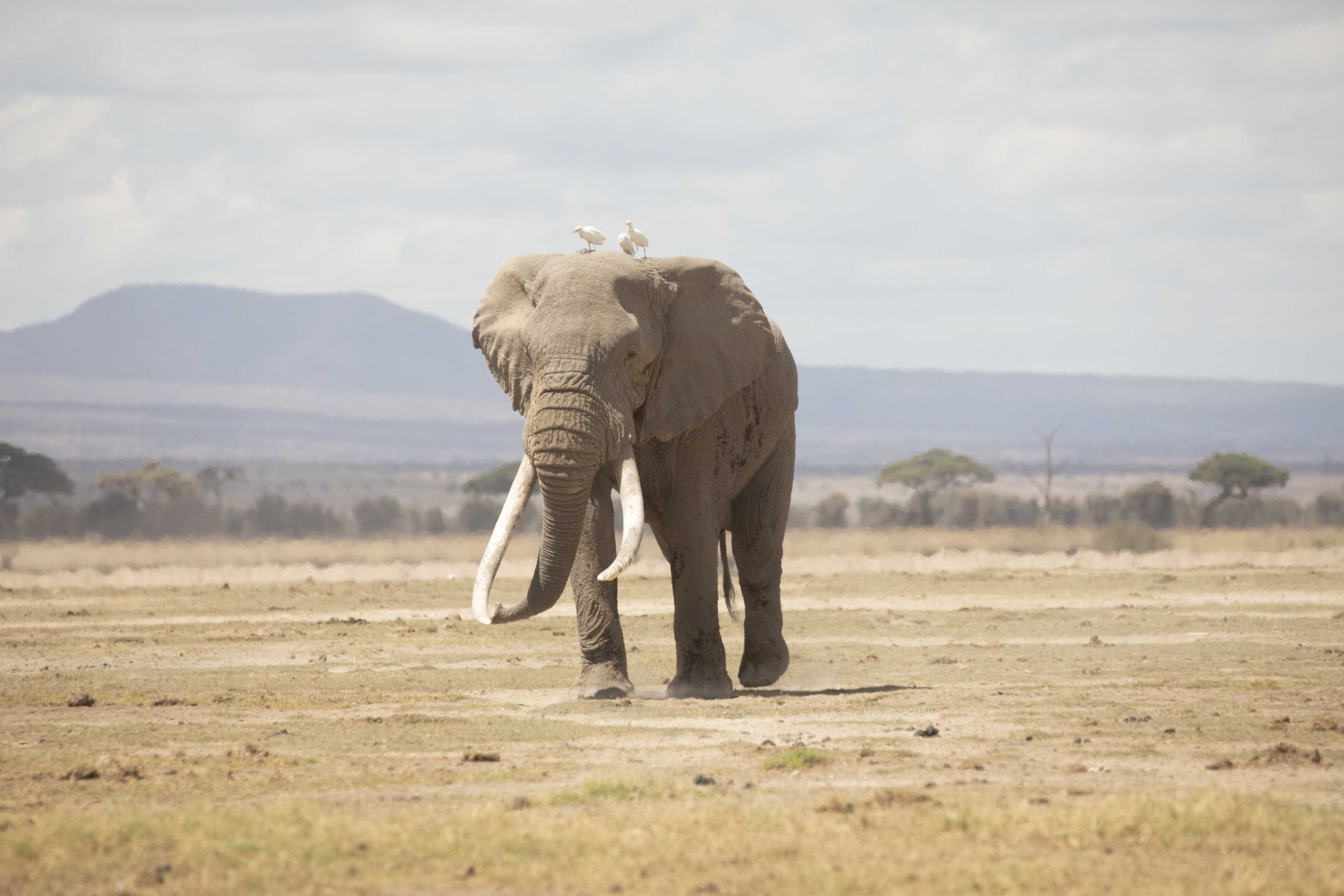
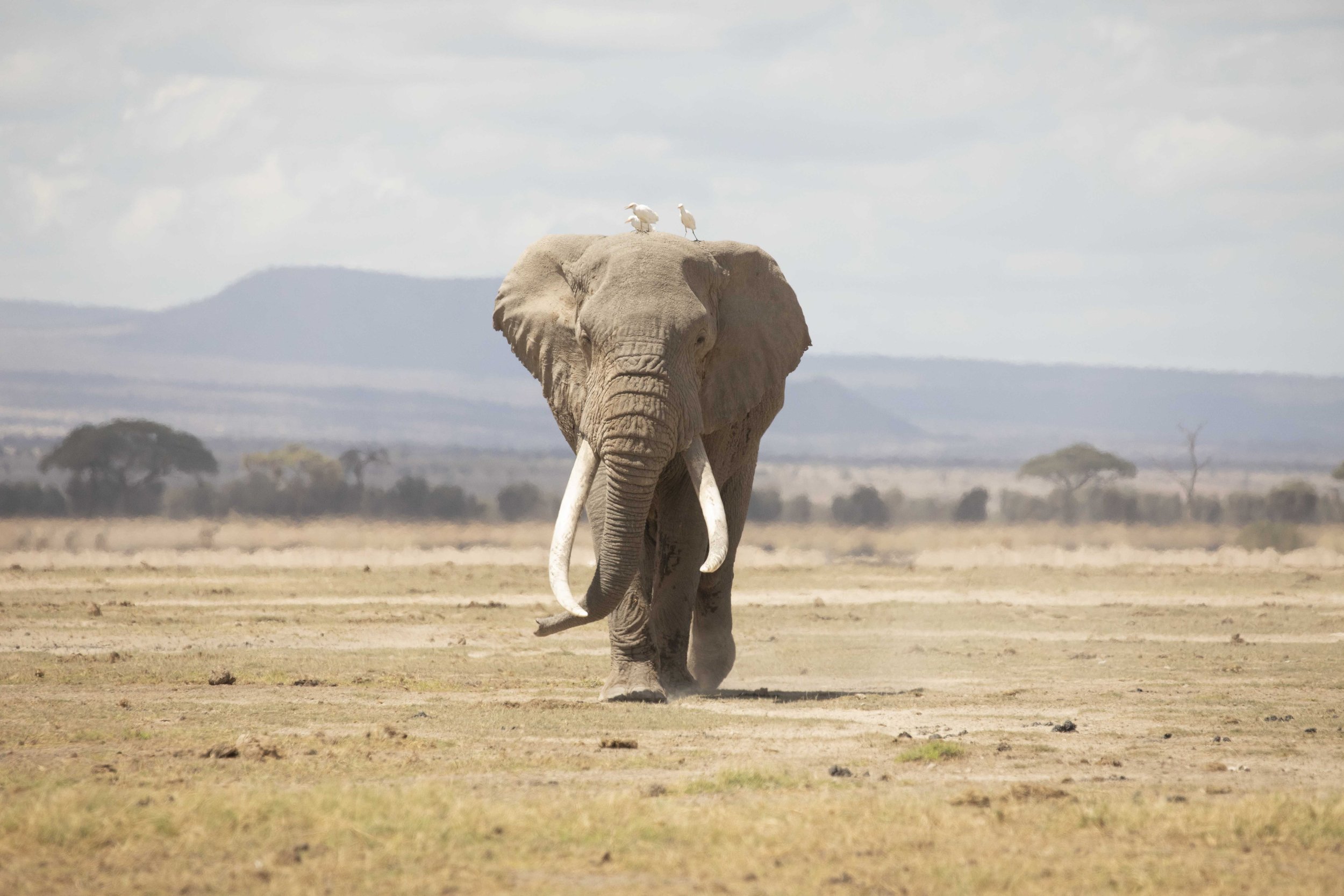
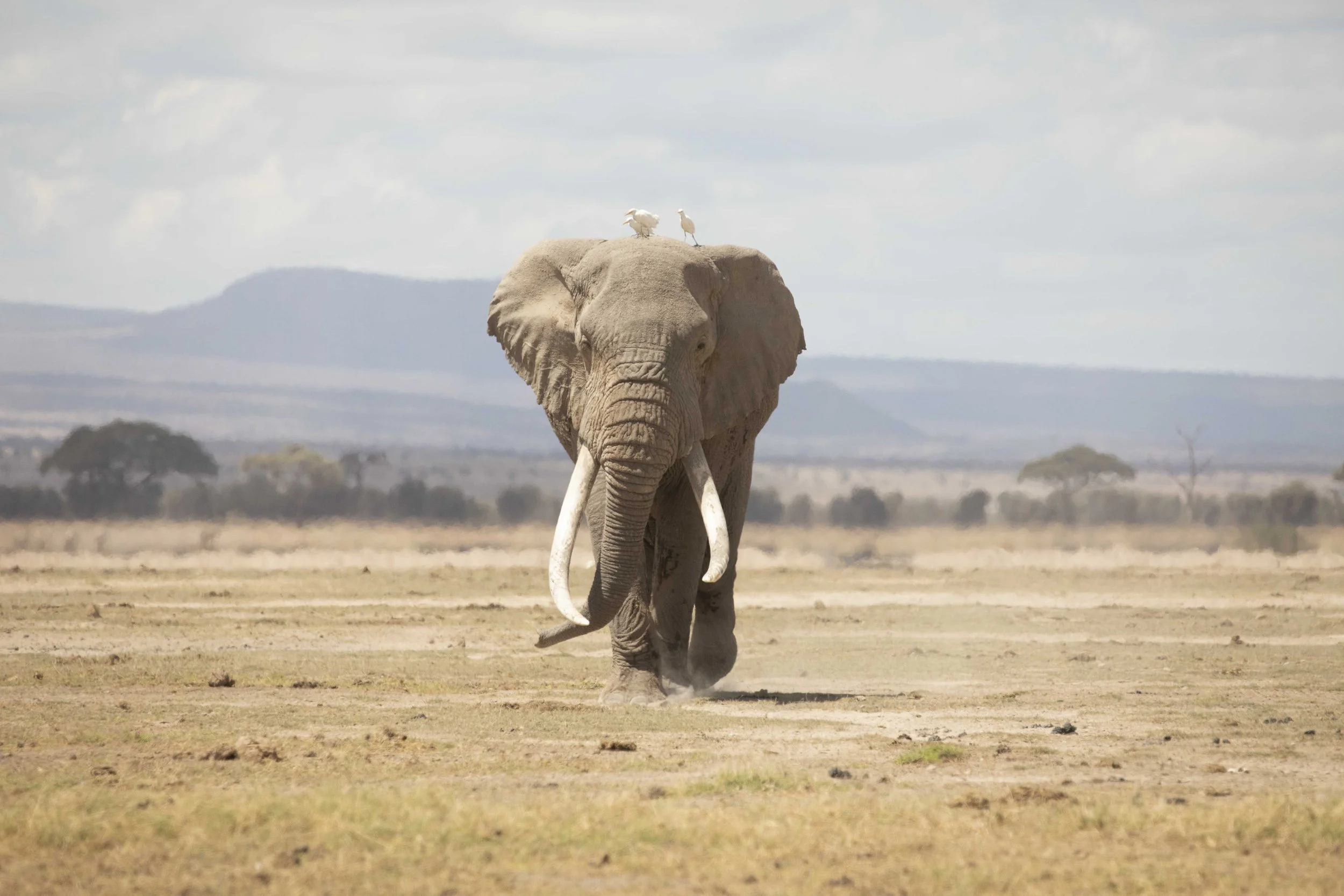
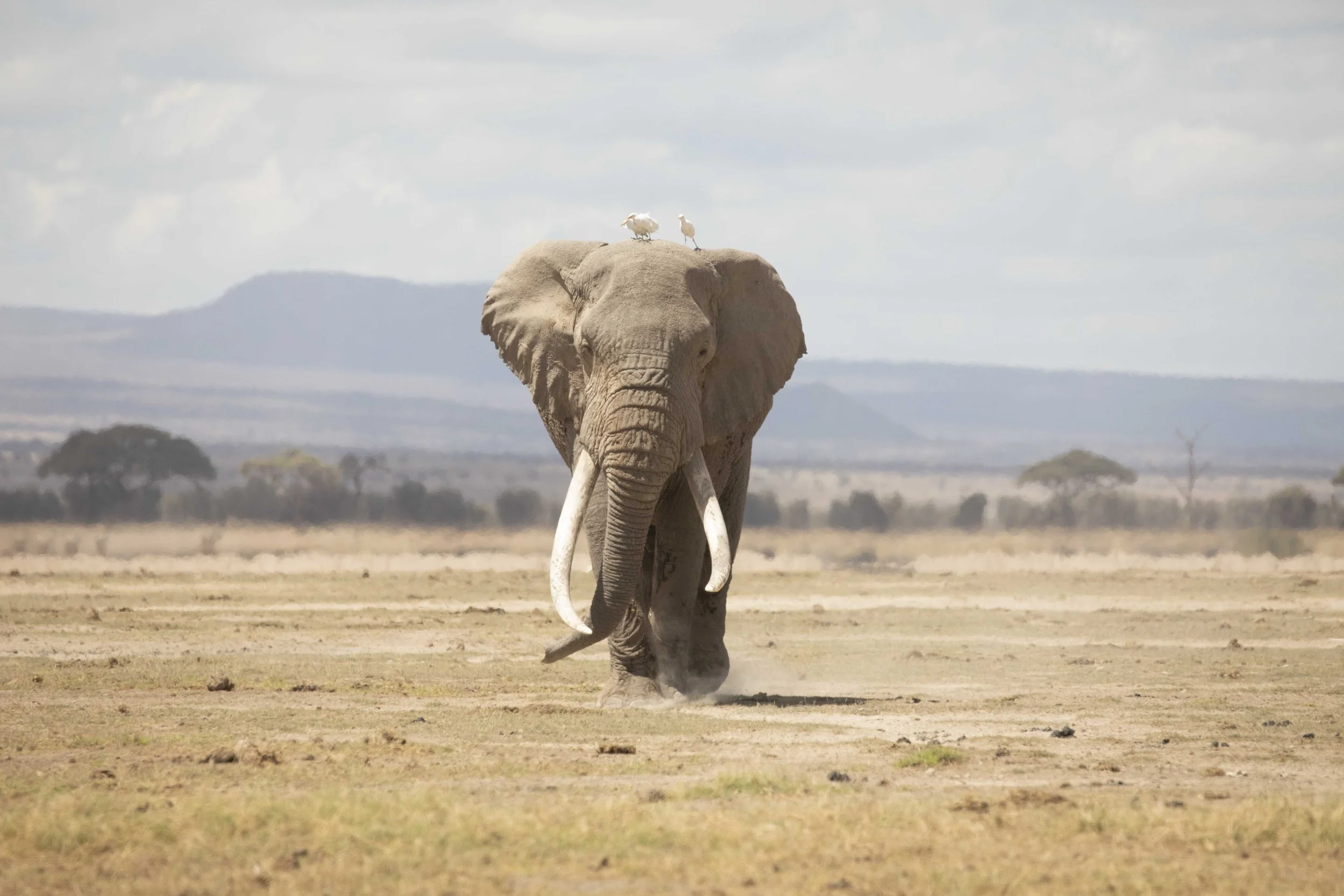
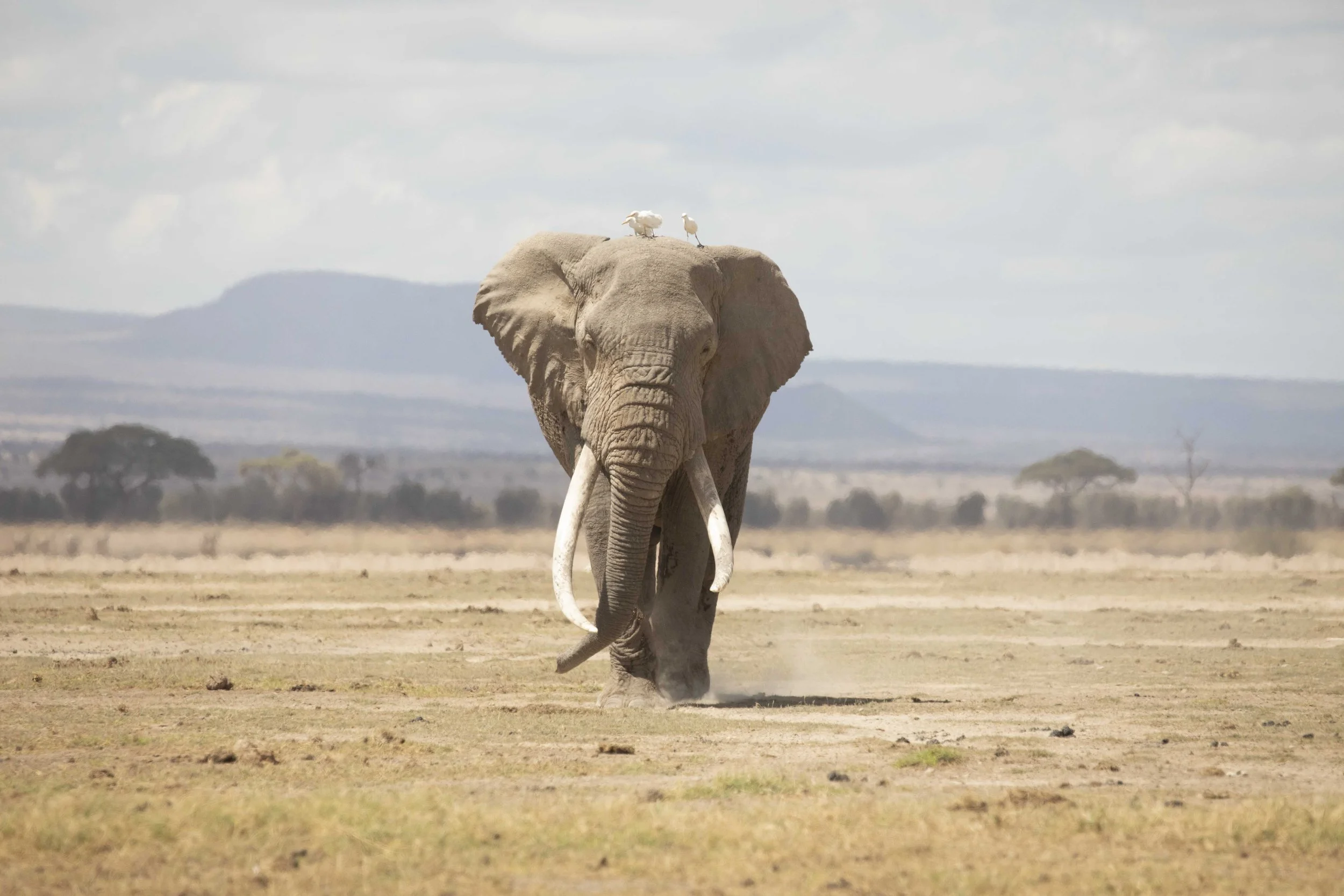
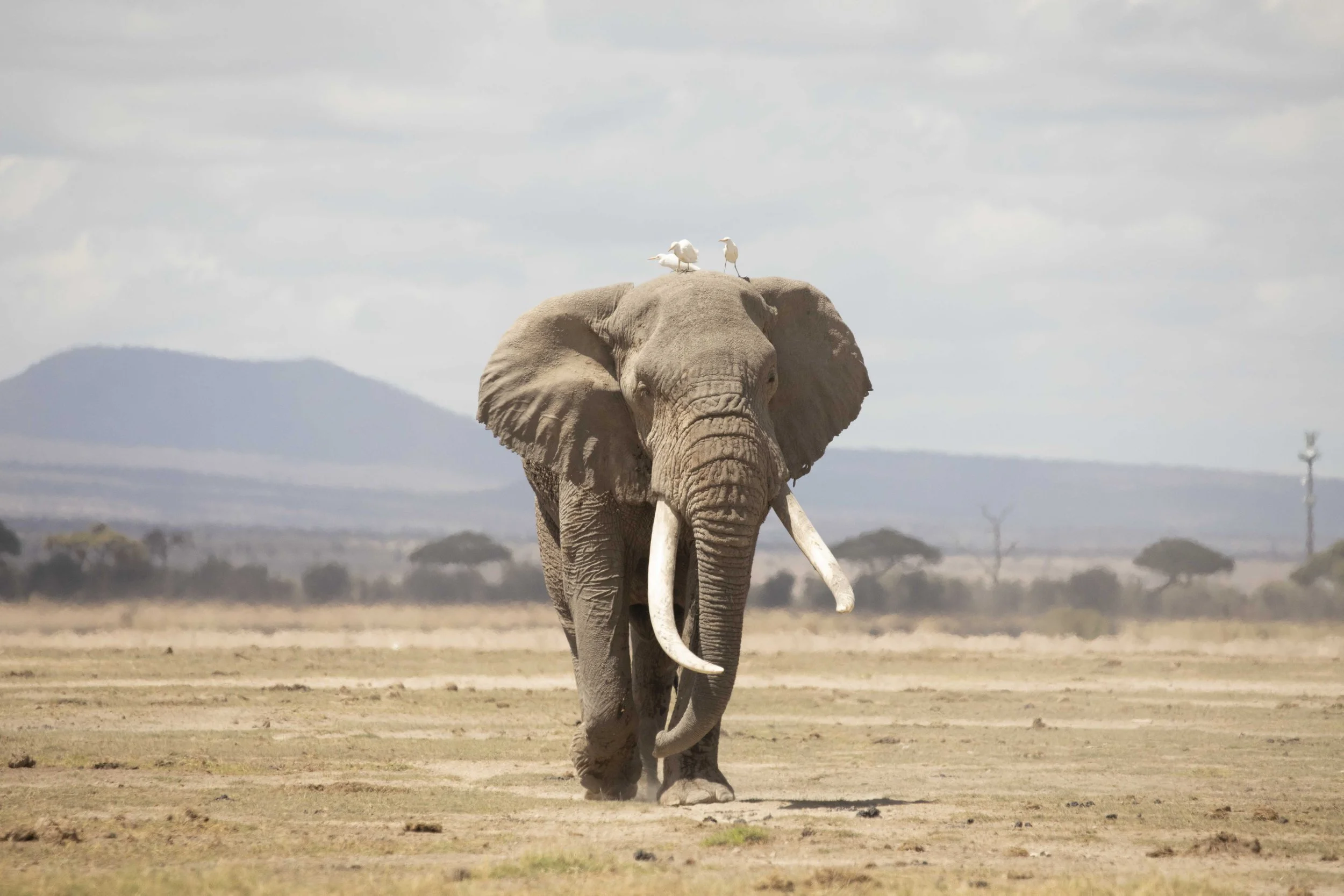
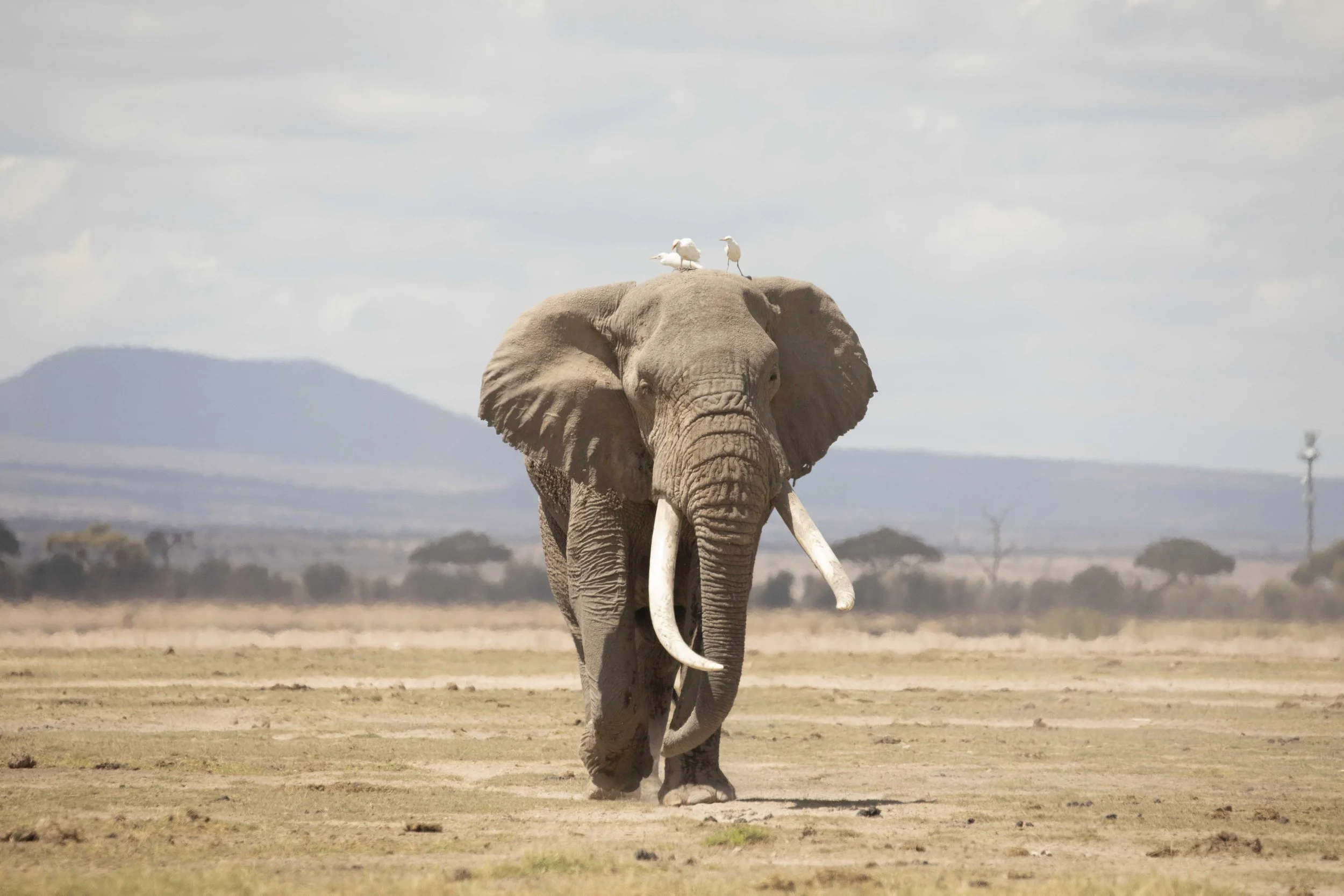
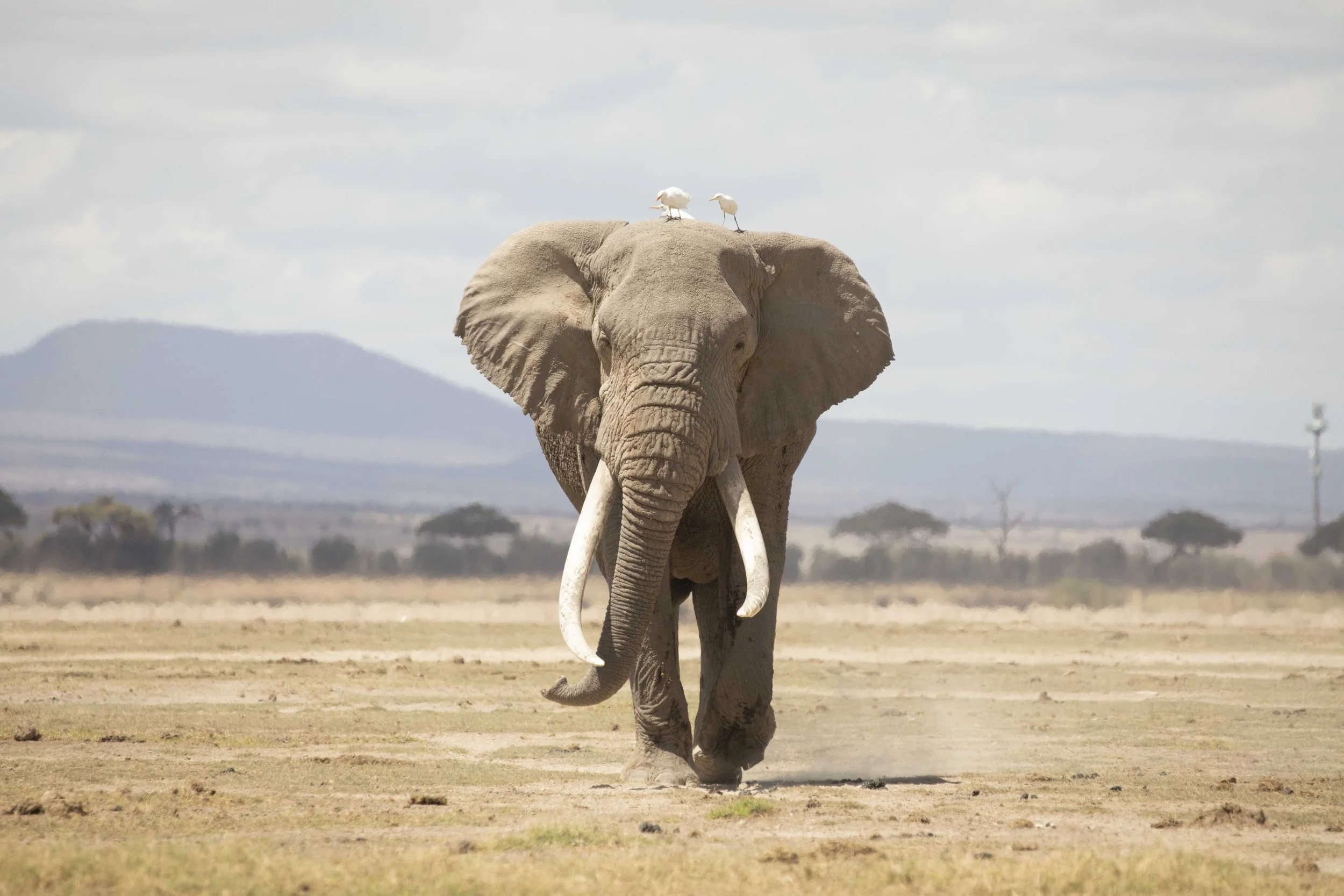
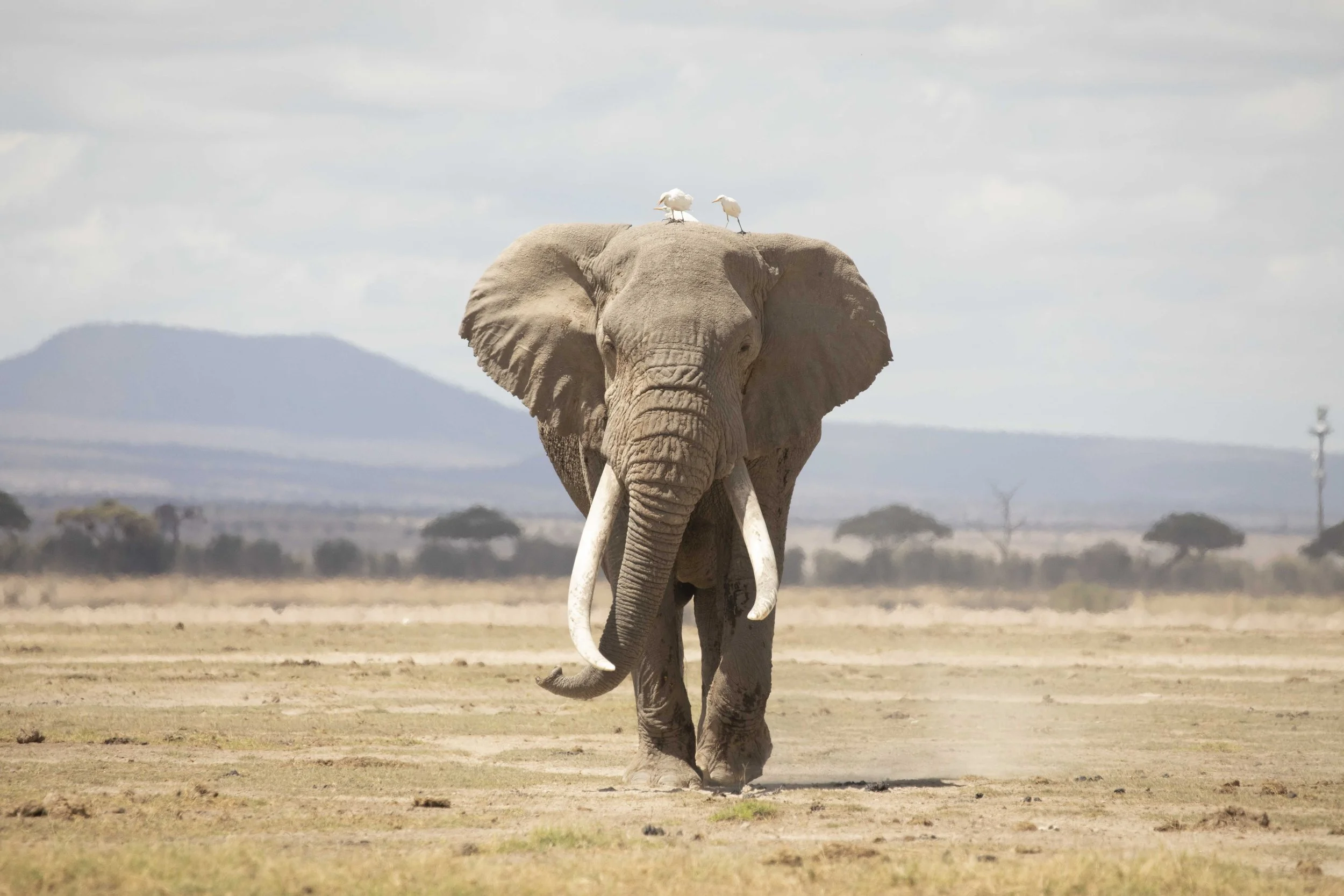
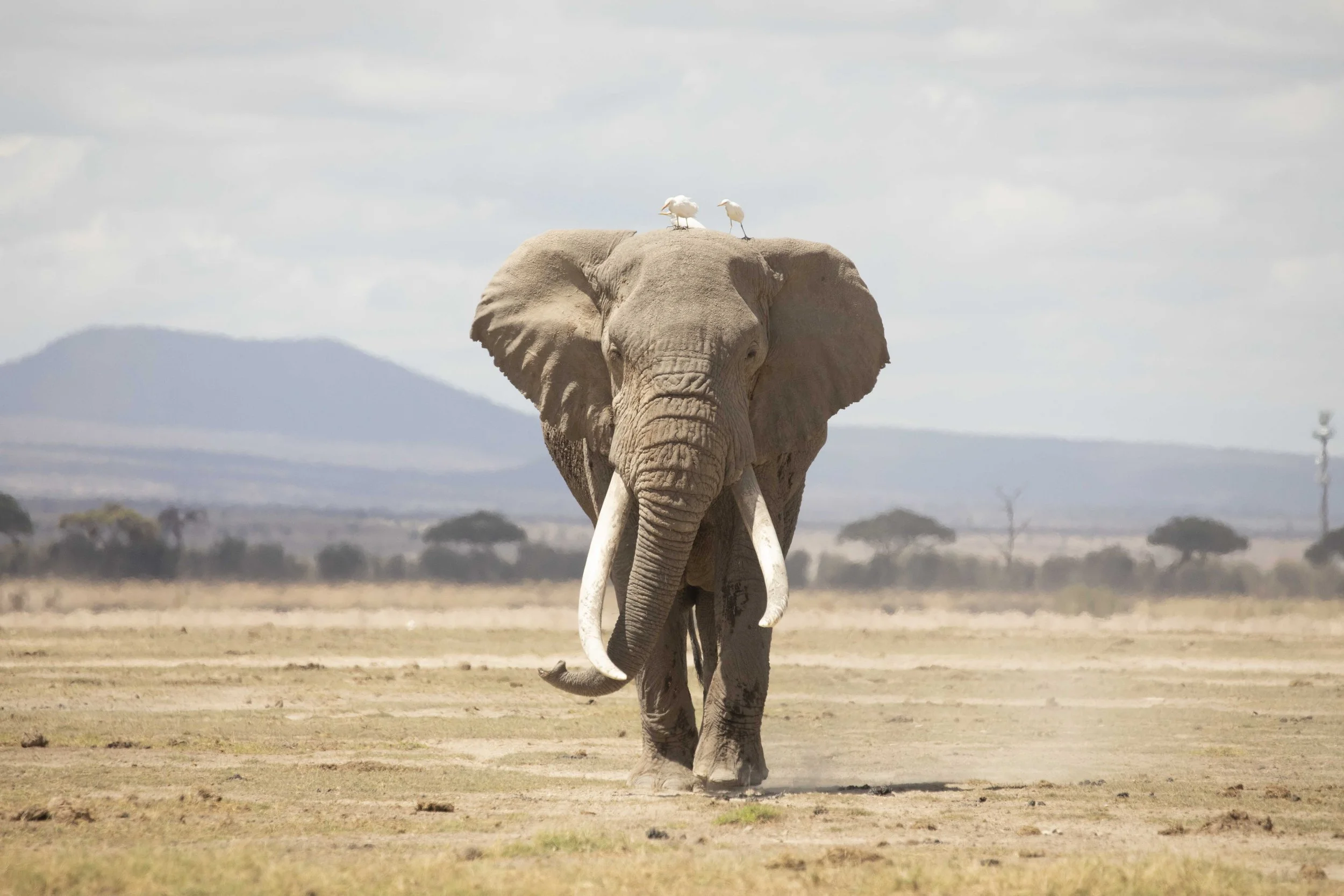
Below are 18 unedited images of Tee-Jay, a Super Tusker in Kenya’s Amboseli National Park. The image I chose was the last image at the bottom of this group, which was literally the last image I took of him. So, why did I choose that particular image? My choice was based on his body position in relation to me, the viewer, the position of his legs with his left front leg and foot moving forward, where his trunk was in relation to his tusks, where his eyes were focused and that his ears where flared outward toward me.
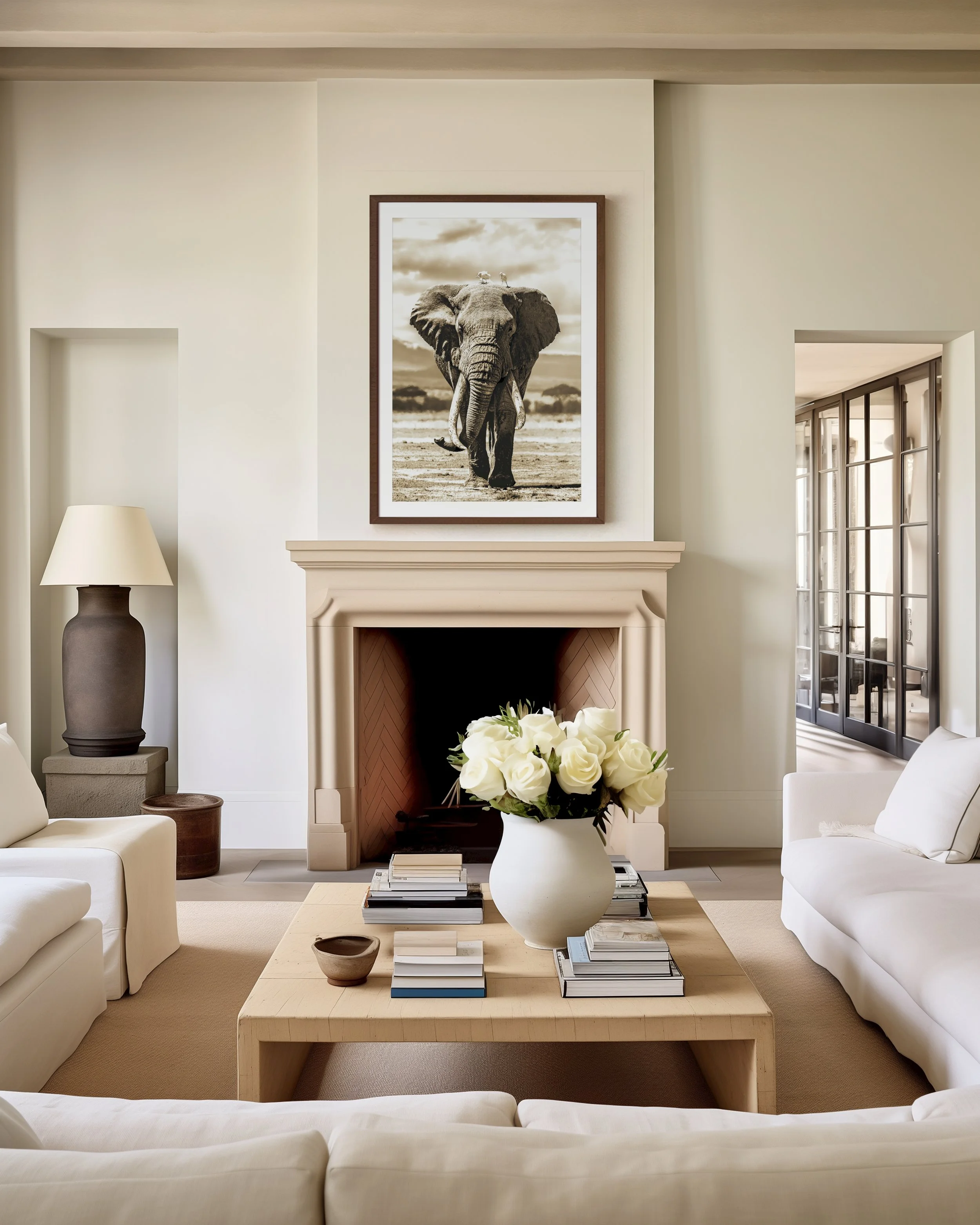
I didn’t feel like the background offered any information to Tee-Jay’s story so I cropped close in to him, making his size the central part of his story. The three egrets riding along on his head are a lucky contrast to his size but they also contribute to the gentleness of his story. I decided to process the image in sepia rather than color, keeping the focus on him.
When I shoot,I shoot in raw form, meaning there is no processing of the image done in my camera. That way the camera leaves all of the information it captures, leaving me more to work with when I post-process it. Those RAW images tend to look bland as you see in the RAW gallery below. The magic happens when I sit down at my computer and edit them when I return home.
I easily spent 10 or more hours total working on this one image in addition to the time I took choosing this specific image from the 18 I took of him walking toward me. I love capturing images, especially in Africa on safari. And I love the editing work, including which images to keep.
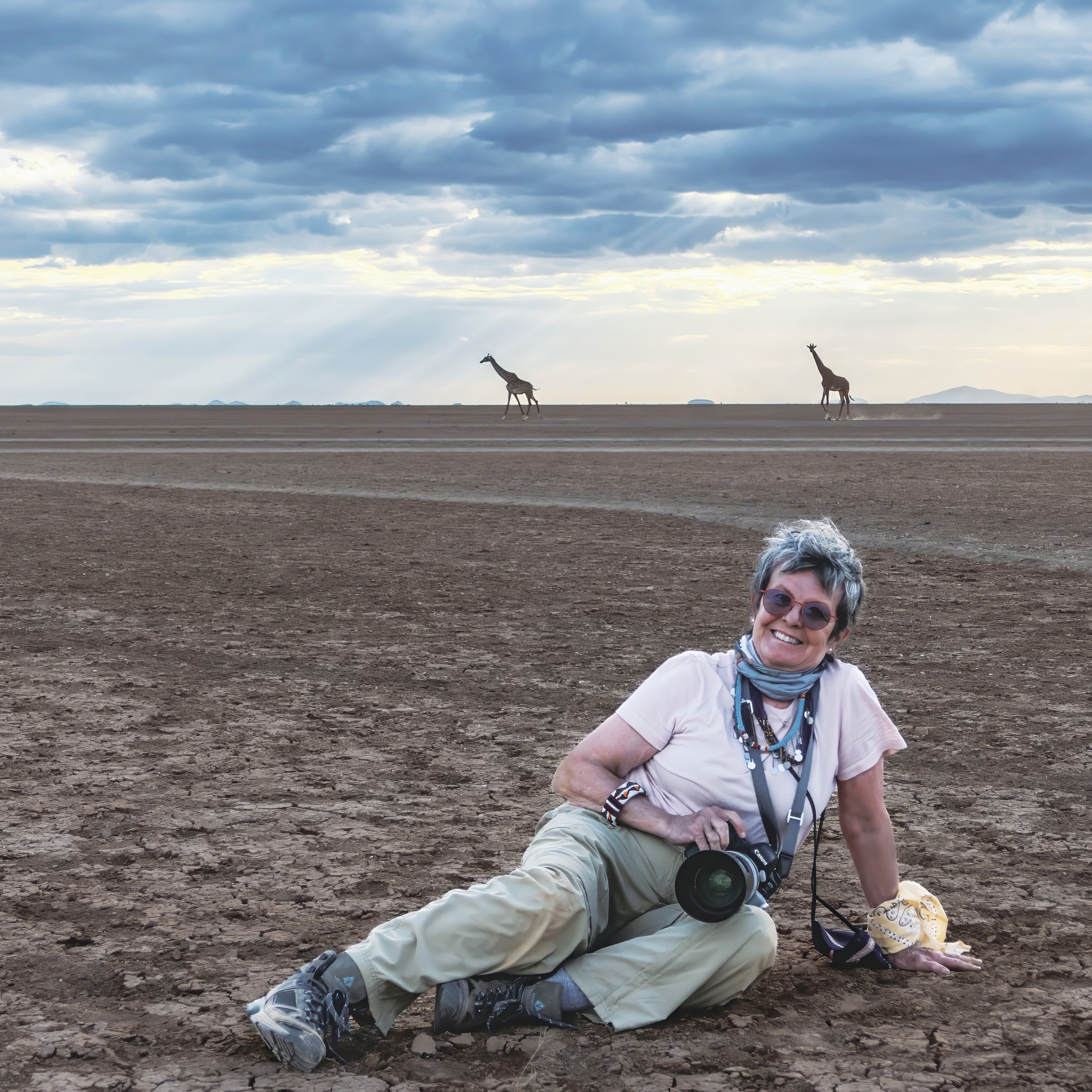
Nancy Chadwick is a fine art photographer based in Davis, California.
She has spent over fifty years recording her life and travels with a camera - first as an art student at Purdue University, and later as the quiet second thread running alongside a forty-year career as a psychotherapist.
Since retiring from clinical practice in 2021, Nancy has returned to art fully, camera in hand. Her collections are drawn directly from her travels: repeated safaris across Africa, seasons spent in Paris and Venice, and the golden landscapes of Northern California she calls home.
What distinguishes Nancy's work is her process - each image begins as a documentary moment in the field, then is transformed in post-processing into something closer to painting or drawing, blurring the line between photography and fine art.